
The RealReal tightens login rules after AI agents locked up designer stock
CTO Luke Friang confirms the retailer has updated its bot defenses to stop automated shoppers from exploiting the 20-minute cart hold system.
By Zoe Harrison ·
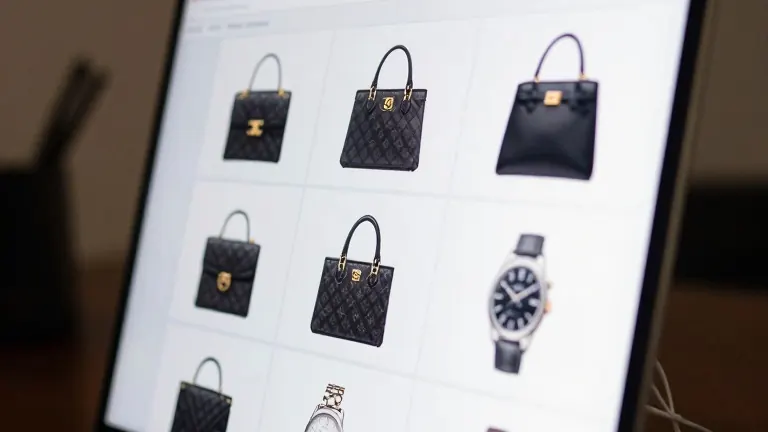
The RealReal is changing how its website handles automated traffic after AI shopping agents used the retailer's cart system to block human customers from buying designer items. The update makes it harder for AI agents to log in, add products to a cart, and complete checkouts. The move follows reporting that showed how these agents could manipulate the site's inventory holds to lock up stock for extended periods.
The dispute began with The RealReal's standard reserve policy. When a customer places an item in their shopping cart, the website takes the item "on hold" for 20 minutes. During that window, the product is unavailable to other shoppers. A human shopper might leave items in a cart while deciding, but they rarely hold multiple high-value pieces for hours without paying. AI agents do not have that hesitation.
On October 22, The Verge reported that Meta's Muse AI agent could exploit this window. The report detailed how an agent could instruct the system to re-add a listing to the cart the moment the 20-minute hold expired. This cycle allowed a single agent to keep items off the market for hours or longer, effectively reserving them for one user while blocking everyone else.
Days after that report published, Luke Friang, The RealReal's chief technology officer, addressed the issue in an email. Friang stated that the company had addressed the specific use case involving Muse. He explained that the new bot defense configuration now creates significant friction for all agents trying to perform the full shopping journey from login to checkout.
Friang noted that agents can still browse the site and direct users to product pages. This means customers can still discover items through AI assistants, but the automated purchase process is now more restrictive. The company said it will continue to strengthen these protections as AI-powered online shopping evolves.
Meta has not yet responded to requests for comment. The company recently highlighted shopping as the primary use case for Muse during its Q3 earnings call. Meta reported that 10 million people in the United States downloaded the app within 40 days of its launch. The average purchase made through the agent exceeded $200. These numbers suggest that automated shopping is becoming a major driver for the platform.
Retailers are increasingly wary of this shift. Companies like Amazon have already blocked agents from shopping on their sites to protect their relationship with direct customers. The RealReal's update places it in line with that strategy. The change aims to preserve the balance of the marketplace by ensuring that inventory holds reflect human intent rather than automated persistence.
Source: The Verge