Suffolk County voters seal Democratic wave as Senate control shifts to Boston
With polls closed at 8 p.m. in Suffolk County, the results confirm a decisive national shift that grants Democrats control of the U.S. Senate and reshapes the political landscape for Massachusetts.
By Zoe Harrison ·
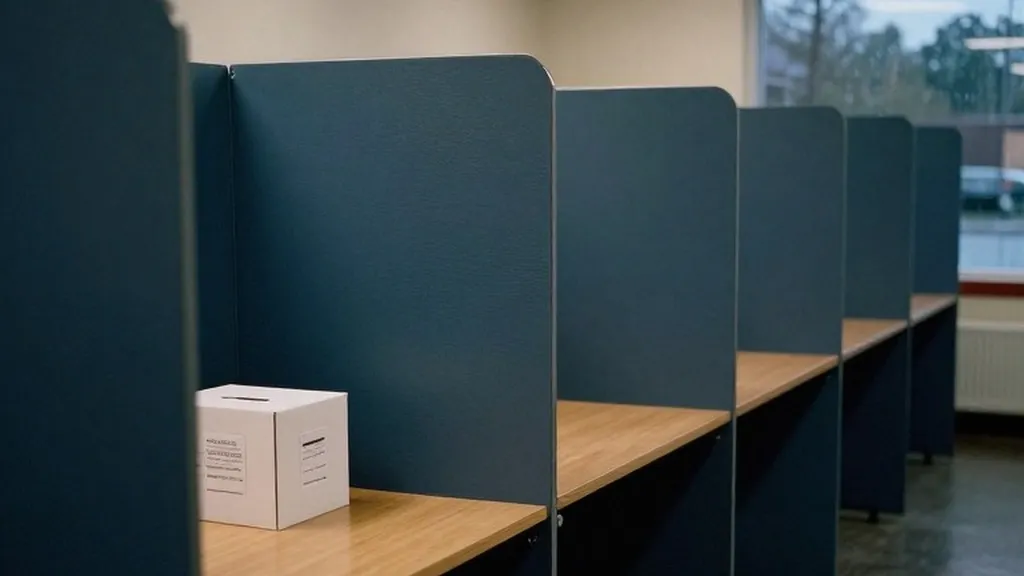
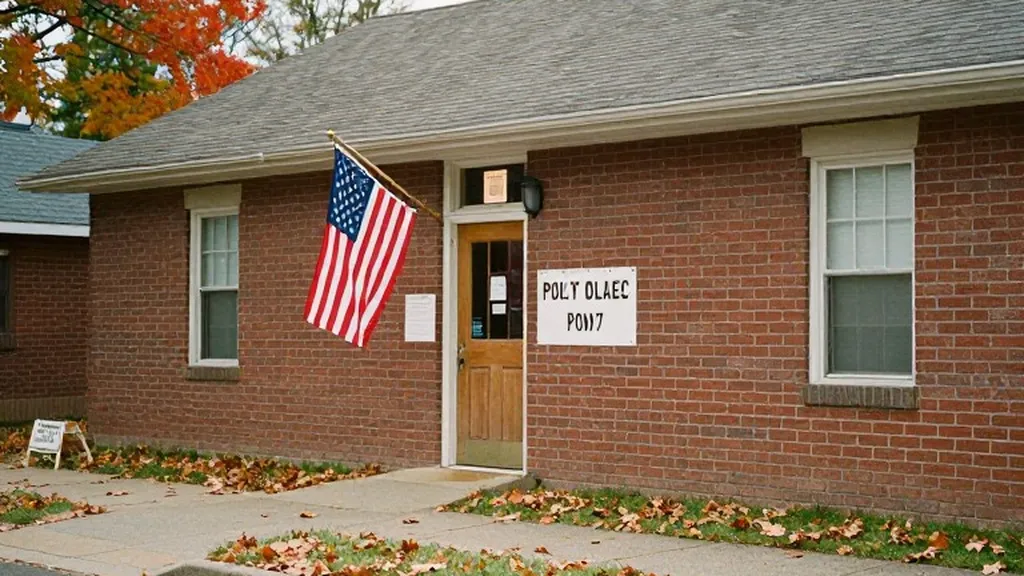
Polling places across Suffolk County closed at 8 p.m. on Tuesday, November 3, 2026, bringing the general election to a close for residents in Boston, Cambridge, Lynn, Quincy, Newton, and Somerville. Voters cast their ballots for federal, state, and local offices in a contest that has defined the political mood of the region. The state held a U.S. Senate seat, a race for governor, and every seat in the U.S. House of Representatives. Incumbent U.S. Sen. Edward J. Markey, a Democrat, ran for re-election in the Senate race, while incumbent Governor Maura Healey, also a Democrat, sought another term. The outcome of these races aligns with a broader national trend that has resulted in a significant transfer of power to the Democratic Party.
According to results compiled by Ballotpedia and last updated at 4 p.m. EST on November 6, 2026, Democrats won majorities in both chambers of the U.S. Congress. The party secured at least a 54-44 majority in the Senate, marking a decisive shift in the upper chamber. This victory was achieved by picking up at least seven Senate seats, all of which were previously held by Republicans. The net loss of at least seven seats for Republicans places this election year in the top 20% of election years in terms of seat swings against a president’s party. Political analysts have previously defined this threshold as a wave election, a term that now accurately describes the magnitude of the change in the Senate.
The implications for Suffolk County are substantial given the state's role in this national shift. With Democrats holding a majority in the Senate, the chamber's balance of power has moved decisively to the left. This change affects the confirmation of federal judges, the approval of treaties, and the ability of the president to enact legislative proposals. For Massachusetts, the retention or gain of the Senate seat ensures that the state continues to have a strong voice in the new majority. The local victory in the state’s largest city and the surrounding suburbs contributes to the aggregate numbers that solidified the Democratic control in Washington.
Simultaneously, Democrats gained a commanding lead in the U.S. House of Representatives. The party picked up at least 43 House seats, resulting in a majority of at least 250-157. Of these gains, 42 seats were previously held by Republicans, and one was held by an independent. Although the net loss of 42 seats for Republicans is short of the 48 seats typically needed to qualify as a wave election in the House, the scale of the victory is historic. This supermajority in the lower chamber provides Democrats with the power to override presidential vetoes, a tool that will be crucial in the coming legislative sessions.
The state of Massachusetts played a pivotal role in this outcome, with every U.S. House seat on the ballot. The competitive nature of the districts in Suffolk County, including those covering Boston and its neighboring towns, contributed to the overall Democratic surge. The state’s voters, along with their counterparts in other key battlegrounds, helped determine the fate of the 35 Senate seats that were up for election. The ratings of these races were closely watched, but the final numbers confirm a clear preference for the Democratic candidate in the majority of contested districts.
Beyond the federal offices, Democrats also won a plurality of state government trifectas and a majority of governorships for the first time since before the 2010 elections. This broad-based victory indicates a widespread realignment in state-level politics. The party’s success in winning control of state legislative chambers further cements their dominance across the political spectrum. For voters in Suffolk County, this means that state-level policies will likely reflect the priorities of the new Democratic leadership, potentially influencing local issues such as transportation, housing, and education in Boston, Cambridge, and surrounding areas.
The election results also highlight the significance of the 13 battleground Senate seats that were closely contested. While the specific outcomes in each of these races are part of the broader tally, the collective shift to Democratic control is the defining feature of the 2026 midterms. The party’s ability to hold onto its existing seats and capture new ones demonstrates a robust organizational effort and strong voter turnout. The fact that all seven gained Senate seats were previously held by Republicans underscores the magnitude of the Republican defeat in the upper chamber.
In the House, the Democrats' ability to flip 42 Republican seats shows a powerful ground game and effective campaign strategies. The one seat previously held by an independent also shifting to the Democrats further illustrates the party's appeal across the political spectrum. This level of seat turnover is rare and signals a significant change in the political landscape. The new Congress will convene in January with Democrats in control of both chambers, setting the stage for a new era of legislative activity.
For Suffolk County residents, the results confirm that their votes were part of a historic moment in American politics. The shift in power in Washington will have immediate effects on federal policies that impact the region, from healthcare to infrastructure. The local victories in the state and municipal races complement the federal wins, creating a cohesive political environment that favors Democratic initiatives. The coming years will see a focus on implementing the agenda that resonated with voters in this election.
The final tally, as of the latest reports, shows a clear path for the Democratic Party to shape the next two years of governance. The Senate majority of 54-44 and the House majority of 250-157 provide the legislative muscle needed to pass significant bills. This outcome is a testament to the voters' decision to support the Democratic platform in a year that has been characterized by a wave of political change. The political map of the United States has been redrawn, with Suffolk County playing a key role in the new configuration.