Polls point to House loss for Trump's party in midterms
Historical data and current approval ratings suggest Republicans will lose an average of 35 House seats, while Democrats remain within reach of the Senate.
By Ricardo Alvarez ·
The president's party faces a steep uphill battle in the upcoming midterm elections, with historical patterns suggesting a loss of an average of 35 House seats. This projection holds because President Trump’s approval rating sits below the 50 percent threshold. In previous midterm cycles where a sitting president held similar low ratings, the ruling party lost that number of seats on average. By comparison, popular presidents have lost only 15 seats in comparable elections.
Economic conditions are driving voter sentiment. A recent NPR/PBS News/Marist poll found that 44 percent of respondents said their finances had stayed mostly the same, while 38 percent reported their economic situations had worsened. Only 15 percent said their money situation had improved. Voters cite rising prices on goods and energy, partly linked to tariffs and the war with Iran, as key factors. Higher interest rates are also making home and car purchases more difficult for millions.
Democrats have outperformed expectations in recent off-year elections and special contests. These results indicate strong momentum heading into the general election. The party is favored to take control of the House. They are also in striking distance of winning the Senate, a goal that seemed unlikely at the start of the cycle. However, structural factors limit potential gains. There are roughly 30 fewer competitive districts this year than in 2018, when Democrats won more than 40 seats.
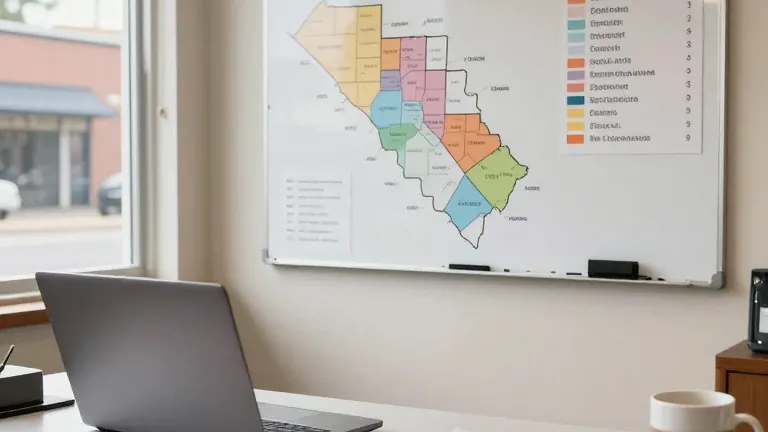
Redistricting has provided some protection for Republicans. An analysis of the maps shows Republicans netted an estimated eight-seat advantage from recent boundary changes. Despite this, turnout will determine the final outcome. Trump has campaigned in red states to boost Republican registration and voting. If turnout is low, a small Democratic gain in the Senate could expand to six or seven seats.
Polling data shows that 44 percent of voters see the election as a vote against Trump, compared to 21 percent who view it as a vote for him. A quarter of Republicans say their preferred candidate should not accept the results if the outcome is close. Most voters across party lines believe their states will conduct fair elections and that candidates should accept the outcome. The next phase of political activity begins immediately after the midterms, with 2028 presidential candidates expected to announce their bids in January or February.
The Senate race remains uncertain in several states. Party control may not be known for days or weeks. Democratic socialists are highly engaged in this cycle, driven by disapproval of the current administration. They are expected to vote in large numbers as a check on the president. Republicans privately acknowledge that Trump is a polarizing figure who energizes the base but alienates swing voters.
Historically, only two times since World War II has the president's party gained House seats in a midterm election. The current political environment favors the opposition party. If Democrats do not win the House, it would represent a major polling error. The next several months will see intense campaigning as both parties aim to secure a majority.