Mississippi Senate Lead Hovers at 1,800 as 20,000 Ballots Await Vetting
A tight race between Scott Colom and Cindy Hyde-Smith has triggered a massive legal and observational effort to verify provisional votes before the December certification deadline.
By Harvey Wilson ·
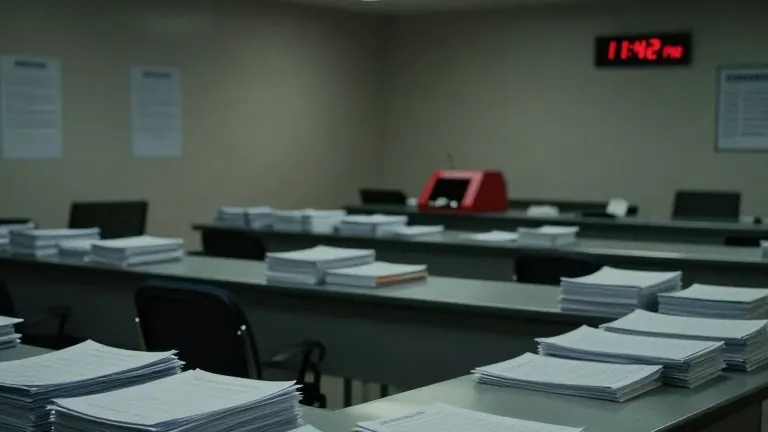
Scott Colom’s lead over incumbent Senator Cindy Hyde-Smith stands at approximately 1,800 votes as of late Thursday. The margin is narrow enough that the final outcome of the race hinges on the processing of up to 20,000 outstanding absentee and provisional ballots. This count determines the size of the Democratic majority in the U.S. Senate for the coming year.
The race has drawn intense national attention to a state that has not sent a Democrat to the Senate in nearly 40 years. Colom and Hyde-Smith have both assembled large teams of lawyers and observers. These groups are monitoring county election committees as they review provisional ballots, also known as affidavit ballots in Mississippi. The state must certify final results by December 3.
Colom told reporters on Wednesday that his campaign spent months preparing for a close finish. He said, “We have an army of lawyers. We have local lawyers.” Michael Hurst, chair of the Mississippi Republican Party, confirmed that the state GOP deployed more than 50 volunteer attorneys and observers across the state. He added that more personnel are ready to assist as needed.
The nonpartisan NAACP is deploying members to all 82 counties in the state. Volunteers are monitoring the vetting process for voters who lacked photo ID or were not listed in precinct poll books. NAACP President Derrick Johnson stated that the goal is to prevent individual disenfranchisement, particularly among African American voters, due to identification issues.
In Hinds County, which includes Jackson, election officials are sorting through hundreds of affidavit ballots. One commissioner is managing over 600 such ballots and is currently reviewing 233 from Jackson State University students. Felicia McClinton, a Hinds County Election Commissioner, rejected ballots where voters were registered in the wrong precinct. She noted that some college students could not be located in the system despite providing their names, birthdays, and social security numbers.
Legal teams from both sides exchanged letters on Thursday. The Hyde-Smith campaign’s law firm requested that local officials segregate affidavit ballots and preserve election records. Colom’s lawyers responded by calling the request “unlawful” and warned against steps that might allow a ballot to be traced to a specific voter. This exchange highlights the strict scrutiny placed on the ballot curing process.
Dajia Williams, a 23-year-old voter in Hinds County, described her experience casting a ballot. She updated her registration in May after moving from a nearby county. On Election Day, poll workers could not find her name, resulting in a provisional ballot. She was instructed to return to the circuit court with her ID. Williams said, “I don’t feel like people should have to feel like they’re jumping through hoops to to go vote, especially in Mississippi.”
The Elias Law Group began monitoring Mississippi election protocols in early 2026. Their researchers tracked local media and election commission meetings. Senate Minority Leader Chuck Schumer has also deployed resources to the state. Fair Fight PAC is working with the Colom campaign and the DSCC. Lily Moens, policy and research director at Mississippi Votes, reported that many rejected ballots resulted from voters attempting to cast votes at incorrect precincts.