Massachusetts Senate Race: Markey Faces Republican Challenge in 2026 Midterm
Voters in Suffolk County and across the Commonwealth decided the outcome of the U.S. Senate race on November 3, 2026, with incumbent Edward J. Markey seeking re-election.
By Zoe Harrison ·
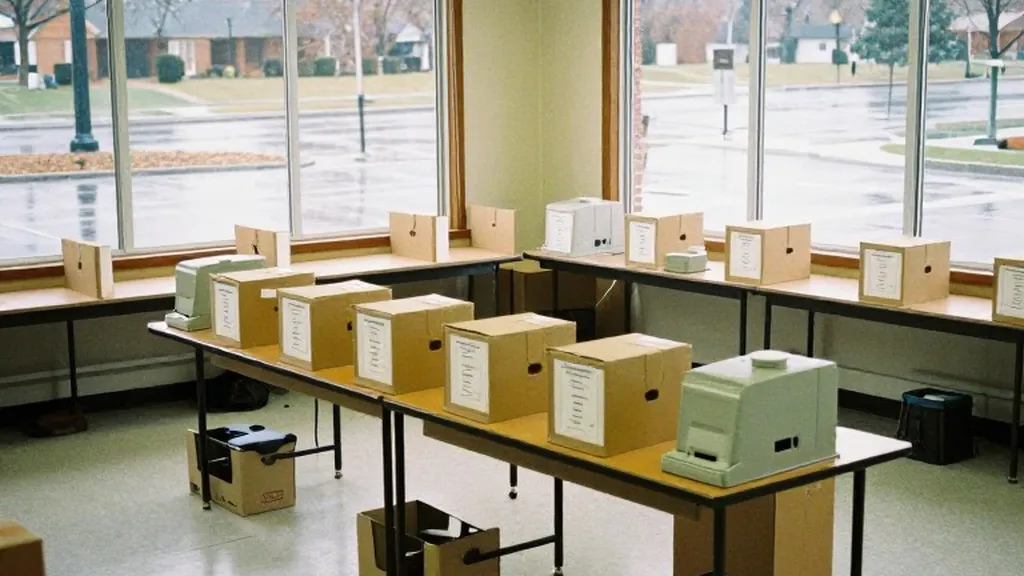
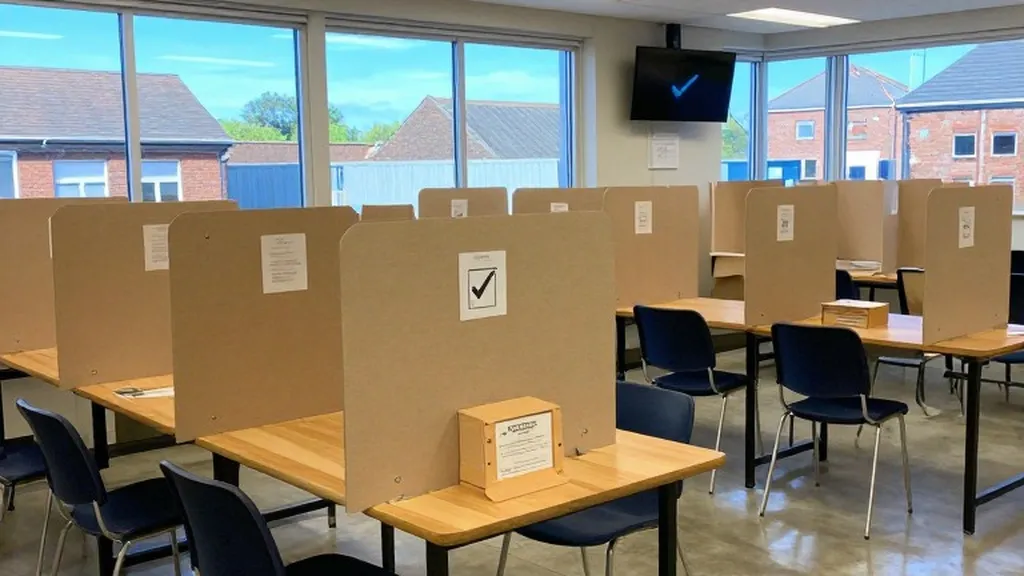
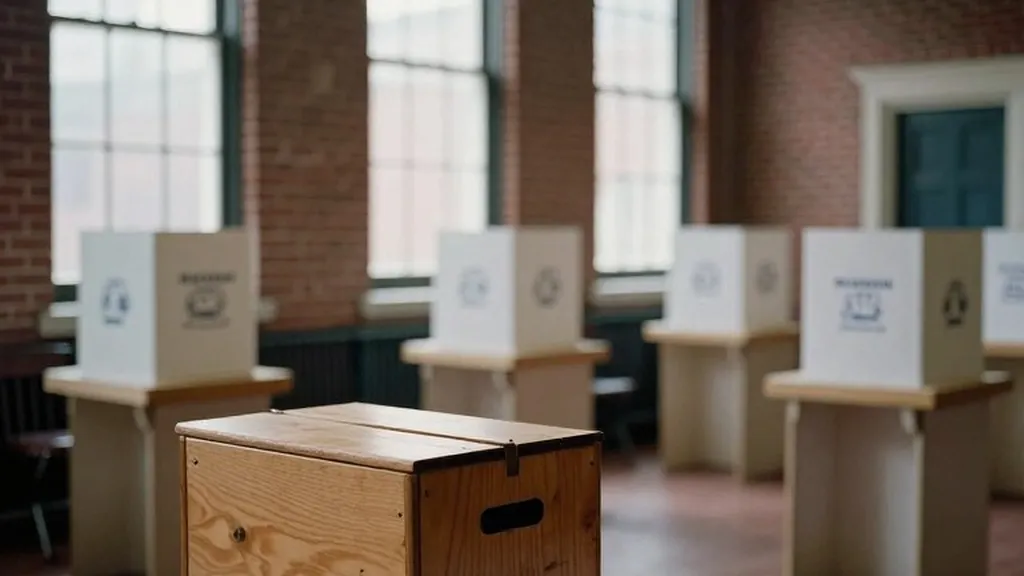
Residents of Suffolk County, including Boston, Cambridge, Lynn, Quincy, Newton, and Somerville, completed their civic duty on Tuesday, November 3, 2026. Polling places across the county opened at 7 a.m. and closed at 8 p.m., though some municipalities allowed early access as early as 5:45 a.m. The general election marked a pivotal moment for Massachusetts voters, who selected their representatives for federal and state offices.
The U.S. Senate seat in Massachusetts was the centerpiece of the state's ballot. Incumbent Democratic Senator Edward J. Markey ran for re-election against a Republican challenger. The race was one of the most watched in the state, reflecting the broader national trends seen in the 2026 midterm elections. Markey, a long-serving figure in Washington, campaigned on his record of legislative work and his commitment to representing the interests of Massachusetts residents.
Alongside the Senate race, Governor Maura Healey also faced re-election. As the incumbent Democratic governor, Healey ran against a Republican opponent for the executive branch of the state government. The governor's race was closely tied to the Senate contest, with both candidates representing the Democratic Party's platform in the Commonwealth. Voters in the county's towns, from the urban centers of Boston and Cambridge to the suburban communities of Newton and Quincy, cast their ballots for both offices simultaneously.
Every U.S. House seat in Massachusetts was on the ballot, ensuring that the entire delegation to the federal legislature was up for election. This comprehensive update to the state's congressional representation allowed voters to express their preferences on a wide range of issues, from healthcare to economic policy. The results of these House races, combined with the Senate and governor contests, determined the overall balance of power in the state's political landscape.
State and local offices were also decided in the November election. The ballot included positions for the State Senate and the State House, as well as municipal government roles. These local races are critical for day-to-day governance, affecting zoning, public safety, and local infrastructure. In Suffolk County, the outcomes of these municipal elections will shape the immediate future of the region's towns and cities.
Ballot measures were another significant component of the election. Question 1, a statewide measure regarding public information, asked voters to decide on making records held by the state legislature and the governor's office more accessible. The result of this measure will impact transparency in state government operations. Voters in the county had the opportunity to weigh in on this issue alongside the partisan races.
The 2026 midterm elections took place against a backdrop of national political shifts. In Washington, the results of the elections triggered significant discussions within both major parties. Senate Republicans, who faced steep losses in the midterms, convened to discuss their future leadership. Senator John Thune of South Dakota was expected to be reelected as party leader, though some colleagues called for a deeper review of the party's strategy following the election outcomes.
House Republicans also faced a leadership transition. The party moved to select a new leader in the minority, with candidates including Steve Scalise of Louisiana and Jim Jordan of Ohio. The choice of leadership would set the tone for the party's approach to oversight and legislation in the new Congress. The national context of these leadership decisions underscored the importance of the state and local races in Massachusetts, which contributed to the broader realignment of political power.
In Massachusetts, the combination of the Senate, governor, and House races created a comprehensive test of the state's political direction. The results in Suffolk County and across the state will influence the state's representation in Washington and its internal governance for the next two years. The election concluded with the closing of polls at 8 p.m., marking the end of the voting period for the 2026 general election.
The outcome of the Massachusetts U.S. Senate race will determine whether Edward J. Markey continues his tenure in Washington or if a new senator takes office. The decision by voters in the county's towns reflects their priorities for the state's federal representation. As the results are tallied, the political landscape of Massachusetts enters a new phase, shaped by the choices made on this election day.