Suffolk voters back Healey as Democrats sweep state and national races
Governor Maura Healey secured a decisive victory in Suffolk County, anchoring a broader Democratic wave that flipped seven Senate seats and gave the party control of both federal chambers.
By Ricardo Alvarez ·
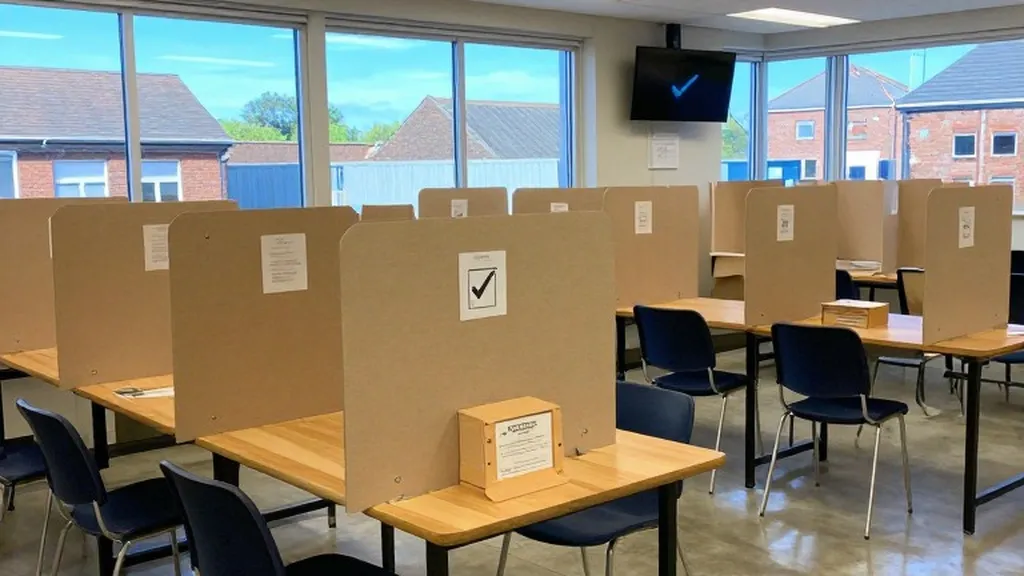
Polling places across Suffolk County, Massachusetts, closed at 8 p.m. on Tuesday, November 3, 2026, marking the end of a pivotal general election for the region. Residents in Boston, Cambridge, Lynn, Quincy, Newton, and Somerville participated in a statewide contest that featured incumbent Governor Maura Healey, a Democrat, running for re-election. The state’s polling hours had begun at 7 a.m., with some municipalities opening as early as 5:45 a.m., allowing a high volume of early and in-person voting. The results confirm that Healey won the governor’s race, maintaining Democratic control of the executive branch in Massachusetts.
The victory for Healey is part of a significant statewide performance for Democratic candidates. In the U.S. Senate race, incumbent Democrat Edward J. Markey also won his seat, securing a strong mandate for the party in the Commonwealth. All U.S. House seats in Massachusetts were on the ballot, and the results reflect a continued strength for Democratic representation in the federal legislature from this district. These local and state outcomes align with a broader national trend that saw Democrats gain majorities in both chambers of Congress.
Nationally, the election results indicate a substantial shift in power. Democrats won at least 43 seats in the U.S. House, picking up 42 previously held by Republicans and one held by an independent. This gain ensures Democrats hold at least a 250-157 majority in the House as of the final tallies reported. In the U.S. Senate, Democrats flipped seven seats from the Republican column, resulting in a 54-44 majority. This net loss of seven Senate seats places the election in the top 20% of election years in terms of seat swings against a sitting president’s party, a threshold often defined as a wave election.
The governor’s races in ten key states highlighted the intensity of the national contest. In Georgia, the race was closely watched, though the specific outcome for the named candidates is part of the broader pattern of Democratic gains in governorships. Nevada and Ohio also featured prominent gubernatorial contests that contributed to the final count of state executive offices. The results in these states helped determine which party controlled a plurality of state government trifectas.
Arizona and Pennsylvania saw significant turnout for their respective governor races. The outcomes in these states were critical to the overall balance of power in state legislatures and executive offices. Wisconsin and Kansas, known for their competitive political landscapes, also concluded their governor contests, with results feeding into the national tally. These states, along with Michigan and New Hampshire, formed a crucial bloc in the Midwest and Northeast that influenced the final distribution of state power.
Vermont, a smaller state with a distinct political history, also held a governor’s race that contributed to the national picture. The aggregate results show that Democrats won a majority of governorships for the first time since before the 2010 elections. This shift in executive power at the state level complements the federal gains, giving Democratic leaders a stronger platform to implement policy changes and oversight in the coming years.
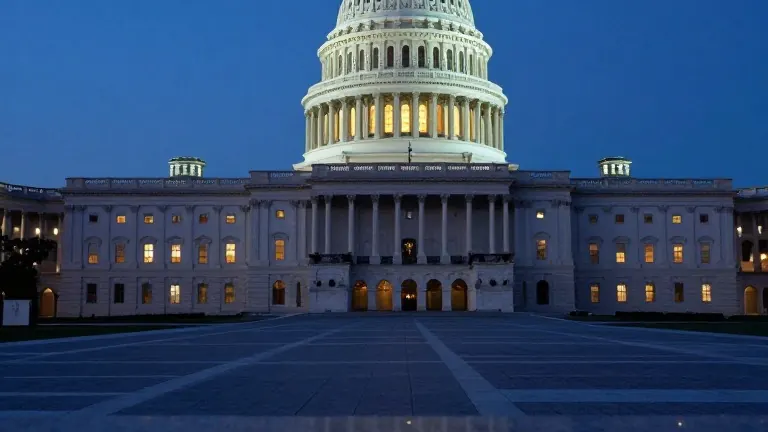
The election results have immediate implications for the upcoming congressional sessions. With Democrats now controlling both the House and the Senate, the party is positioned to lead investigations and legislative efforts. This includes oversight of federal agencies and the potential to use appropriations powers to influence policy areas such as education and national security. The new majority allows for a more unified approach to setting the legislative agenda in Washington.
In Suffolk County, the results reflect a strong preference for the Democratic ticket across multiple offices. The victory of Governor Healey and Senator Markey ensures that local interests will be represented by officials who align with the national Democratic leadership. The election also brought attention to local measures and state legislative races, which varied by county but contributed to the overall Democratic success in the Commonwealth.
The wave election has set the stage for a new political dynamic in 2026. The Republican loss of seats in both chambers marks a significant change from the previous two-year cycle. As the new Congress prepares to convene, the focus will be on how the Democratic majority manages the transition and addresses the priorities of their constituents. The results in the ten profiled governor races underscore the reach of this political shift across the country.
The final tallies, updated as of 4 p.m. EST on November 6, 2026, confirm the scale of the Democratic gains. The election of Healey and Markey in Massachusetts, combined with the national sweep, signals a clear mandate for the party’s platform. As Suffolk County residents turn to the new administration, the results of this election will shape the political landscape for the next two years, with a focus on governance, policy implementation, and federal-state relations.