App Aims to Serve 1 in 5 Americans With Mental Health Needs
Jude AlBukhari's platform, Under the Olive Tree, uses 10-minute lessons to build emotional resilience in children ages 3 to 13.
By Zoe Harrison ·
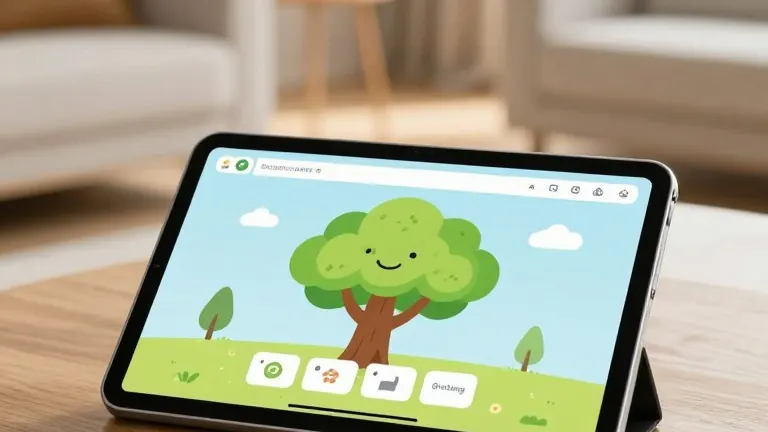
Jude AlBukhari is developing an application called Under the Olive Tree that teaches children how to manage their emotions through interactive lessons. The platform targets users between the ages of 3 and 13 and aims to build mental health skills before children face major life challenges. AlBukhari, a 2015 graduate of Northeastern University, designed the tool to help kids respond to frustration and disappointment in everyday situations.
The app structures learning into 10-minute mini-sessions that users complete approximately three times a week. The design leverages neuroplasticity, the brain's capacity to rewire itself, to help children internalize new responses to stress. The first unit of the program uses interactive storytelling to help children identify specific emotions, such as anger, as they progress through a narrative.
AlBukhari cited data from the National Institutes of Health to explain the need for the platform. The federal agency reports that one in five Americans lives with a mental health condition. Despite this high prevalence, there are only about 220 licensed clinicians providing psychological and psychiatric care for every 100,000 people. AlBukhari noted that the ratio in her home country of Jordan is even lower, with under five providers for a similar portion of the population.
The developer observed that families facing similar life challenges often experience different outcomes in terms of resilience. She attributed this difference to how individuals respond to their environment and learning experiences. "There’s something about how we respond to the environment, to experiences, to learning, that shapes how we bounce back," AlBukhari said. These observations formed the foundation for the application.
Artificial intelligence plays a central role in the app's functionality. The system tailors the experience to each child's individual needs and developmental level. It also integrates feedback from parents to adjust the curriculum. AlBukhari explained that the goal is to equip children with tools they can apply off-screen when life events occur.
The venture earned AlBukhari first place in the Health & Wellness category of the 2026 Women Who Empower Innovator Awards. The prize recognizes entrepreneurial efforts from Northeastern's global startup community. AlBukhari reconnected with the university through the Young Global Leaders alumni program, which introduced her to the women's empowerment community.
AlBukhari described the reconnection as one of her best decisions. "It opened the door to so many conversations, so many interactions, so many friendships that have made the world so much bigger for me," she said. Seeing other individuals explore different avenues inspired her to build her own project.
Carolyn Jasinski, executive director for leadership relations and advancement initiatives at the Office of University Advancement, praised AlBukhari's commitment to the project. Jasinski met AlBukhari when the graduate joined the Young Global Leaders program. "Jude has never shied away from technology as a tool to create access to mental health support and toolkits, so they reach those in most need," Jasinski said.
Jasinski added that AlBukhari has focused on delivering services in settings beyond traditional hospital walls. "She has been committed to frontline delivery of services in forums beyond hospital walls, in the settings where transformational change might occur," Jasinski said. The app is currently in development, with modules designed to build on one another to create lasting resilience.