60%: The Disapproval Rate That Drove Midterm Upsets
Voters punished the administration in key states, handing Democrats control of both chambers while specific races in Texas and Iowa defied expectations.
By Harvey Wilson ·

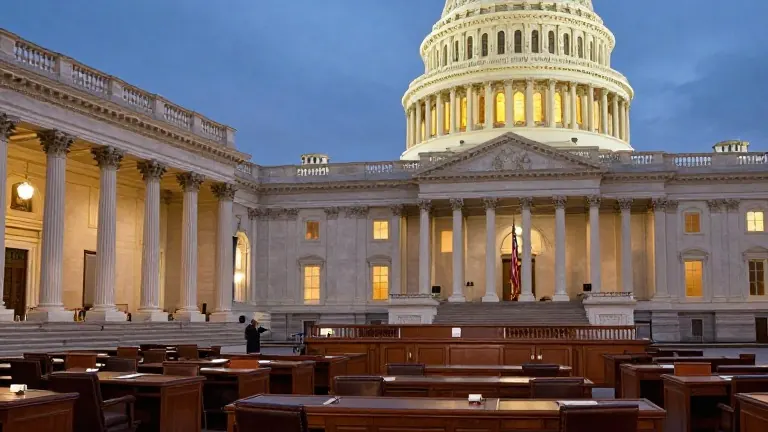
Democrats have taken control of both the U.S. House of Representatives and the U.S. Senate. The shift in power follows a national vote that many analysts are describing as a decisive rejection of the current administration rather than a pure victory for the opposition party.
President Donald Trump’s disapproval rating reached 60% during his second term. Voters cited high costs for groceries, gas, and electricity as primary reasons for their choice. These economic pressures combined with low administration approval ratings to create difficult conditions for Republican candidates.
The election produced unexpected results in traditionally red states. In Texas, Democrat James Talarico defeated Republican Attorney General Ken Paxton. This flipped a Senate seat despite nearly $500 million in financial support for Paxton from tech billionaire Elon Musk.
Contested races also appeared in Florida, where Republican Byron Donalds won the governor’s race. He defeated Democrat David Jolly by a margin of 1.3 percentage points. This outcome secured the seat for the Republican Party in a state that has historically favored their candidates.
A particularly notable result occurred in an Iowa state house race. Democrat Eric Armstrong won his district even though he stepped back from active campaigning in early September due to health issues. His victory suggests that voter dissatisfaction extended beyond major party platforms.
The mood of the electorate was captured by a viral Instagram post. One voter wrote, “We will vote for anyone who is not a Republican.” The post gained over 500,000 likes and more than 15,000 reposts, reflecting a sentiment that drove many ballots in this cycle.
The new Democratic majority now faces immediate pressure to show productivity. Party leaders have vowed to investigate executive overreach, including actions targeting Defense Secretary Pete Hegseth. The Judiciary and Oversight committees are already planning probes into the administration’s conduct.
President Trump warned he would become “Mr. Veto” if Congress changed hands, though he later expressed a willingness to work across the aisle. The incoming leadership must balance these oversight efforts with a legislative agenda to avoid the gridlock seen during the 2018 to 2020 period.