48-Seat Bloc Locks In Speaker Deal to Displace Netanyahu Ally
Eisenkot and Liberman agreed to rotate the Knesset chairmanship to Yashar party, a move designed to seize legislative control before a formal coalition is announced.
By Tessa Cooper ·
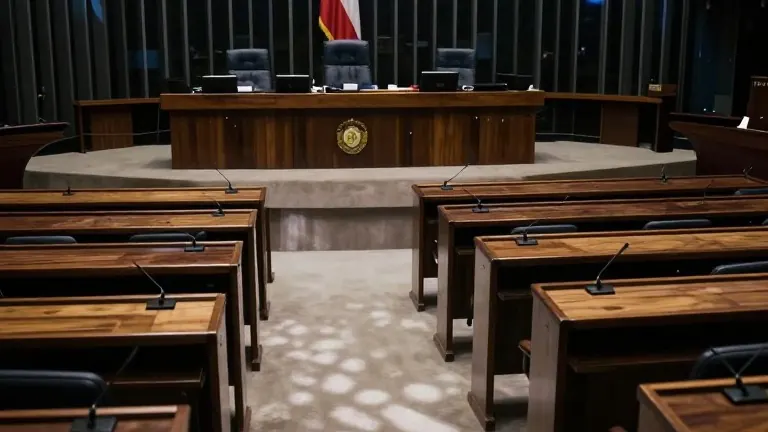
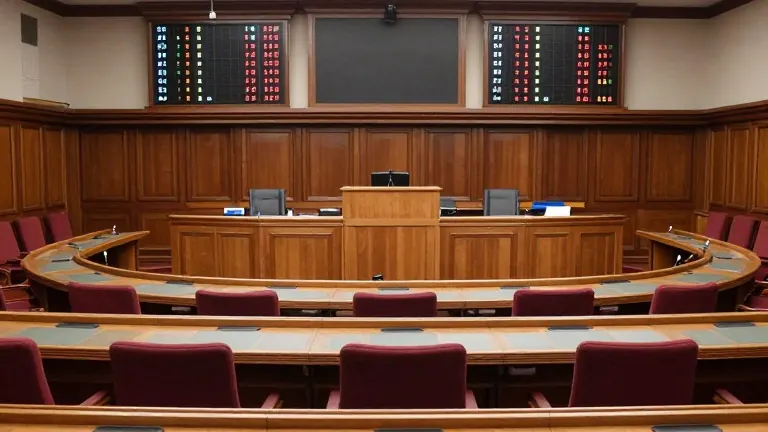
Gadi Eisenkot and Avigdor Liberman reached a preliminary deal on Monday to place the Yashar party in control of the Knesset speaker role. This arrangement is intended to remove current Speaker Amir Ohana, a close ally of Prime Minister Benjamin Netanyahu, from his position before a new government is formally established. The two opposition leaders agreed that the next chair of the lower house will come from Eisenkot’s ranks, likely Eisenkot himself, who would serve temporarily while assembling a cabinet.
The political arithmetic driving this decision is clear. Eisenkot commands a bloc of 48 lawmakers, which is 13 seats short of the 61-seat majority needed to pass legislation. By securing the speaker post, the opposition gains procedural control over the legislative agenda. This allows them to manage the flow of bills while Eisenkot continues negotiations with other parties to reach a governing majority.
A central element of the agreement involves courting ultra-Orthodox parties, specifically United Torah Judaism and Shas. Although Eisenkot’s bloc campaigned on universal military service, a policy strongly opposed by Haredi communities, Liberman pushed for cooperation. He argued that a government dependent on Arab parties would lack stability, whereas an alliance with the Haredim would create a durable administration. Liberman reportedly told Eisenkot he was not seeking the prime ministership for himself, aiming to dispel concerns about a power-sharing rotation.
The Haredi parties have shown interest in negotiations, according to reports from the Kan public broadcaster, though official talks have not yet begun. Channel 12 reported that discussions are in early stages. The Haredi groups are seeking a transitional arrangement lasting one to 18 months. During this period, they hope to delay strict enforcement of enlistment laws and sanctions against draft dodgers. They also want legal assurances that such a delay would withstand scrutiny from the Attorney General and the Knesset legal adviser.
Prime Minister Netanyahu is moving to prevent the opposition from consolidating power. He has attempted to meet with senior spiritual leaders of United Torah Judaism, including Rabbi Dov Lando and Moshe Hillel Hirsch, but was rebuffed. The Prime Minister’s Office is pressuring these figures to vote against an Eisenkot-led government rather than abstain. Netanyahu hopes a failed coalition attempt will trigger new elections, which he believes he can win.
Tensions also exist with the Arab-led Ra’am party. Natan Eshel, a close associate of Netanyahu who previously led coalition talks, has been in contact with Ra’am leader Mansour Abbas. Eshel reportedly urged Abbas not to support Eisenkot, questioning whether Ra’am would help in the Knesset without being included in the coalition. Abbas indicated that his party would wait for election results before making a final decision.
The Knesset convenes on Tuesday. If a majority of members requests it, Ohana is expected to schedule a discussion on his potential replacement, likely next week. He cannot block the vote, which requires a simple majority, provided the opposition parties agree on a single candidate.
More Politics · World news · Report a business · Got a Story?