Suffolk County voters weigh economic strain against national power shift
As polls open at 7 a.m. Across Boston and surrounding towns, the outcome of today's midterm election will determine who controls Congress for President Trump's final two years and shape the state's legislative future.
By Harvey Wilson ·
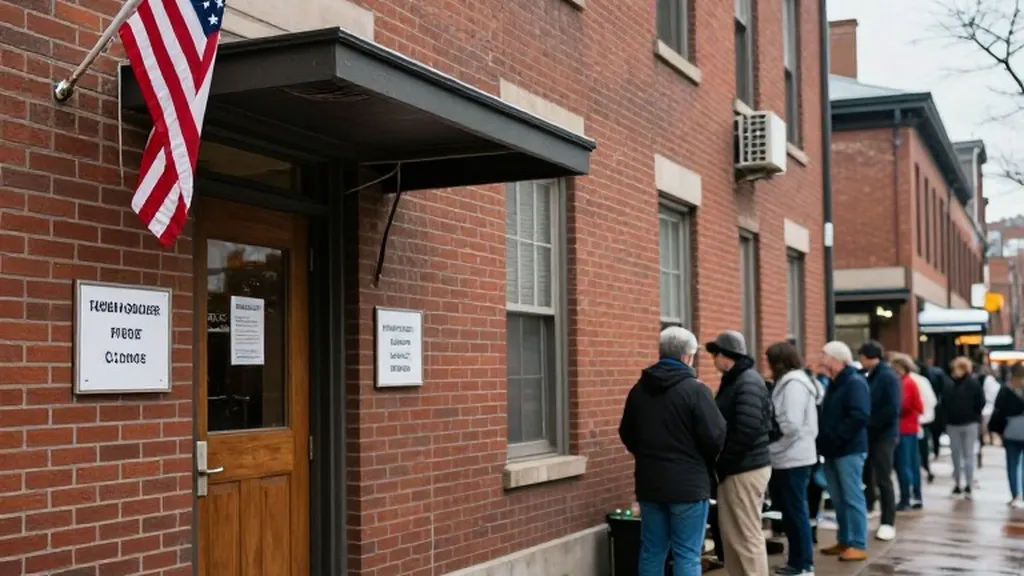
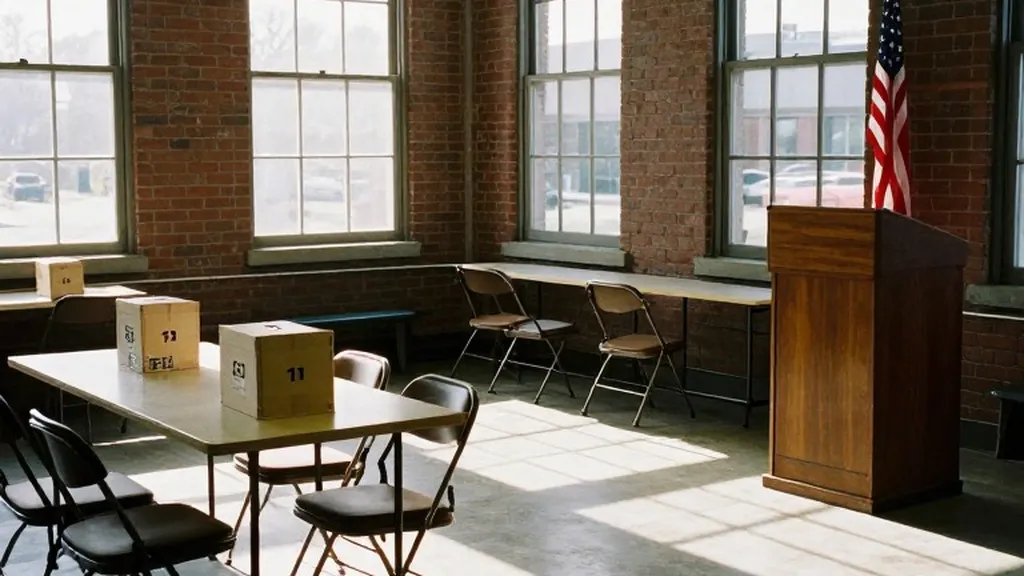
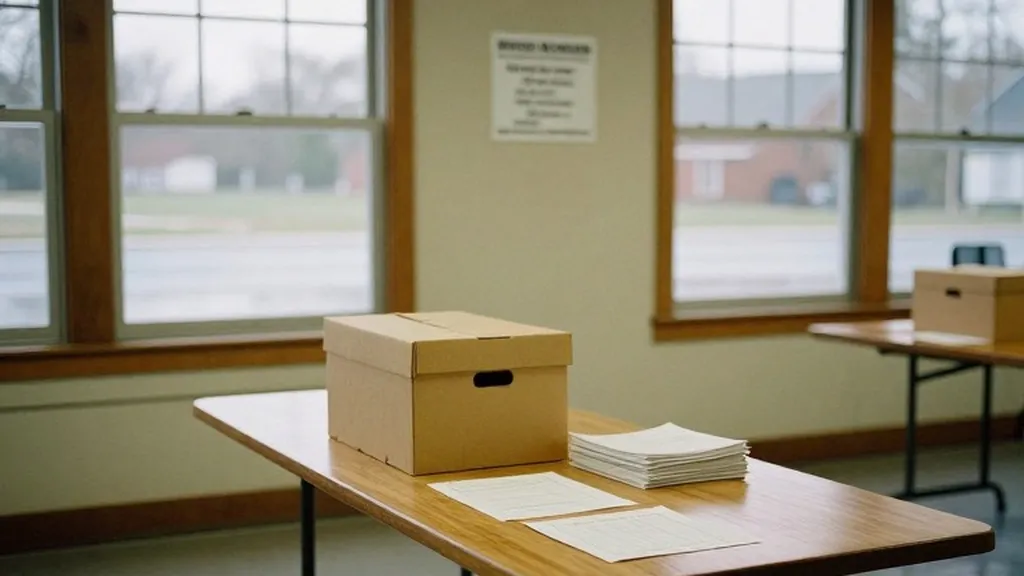
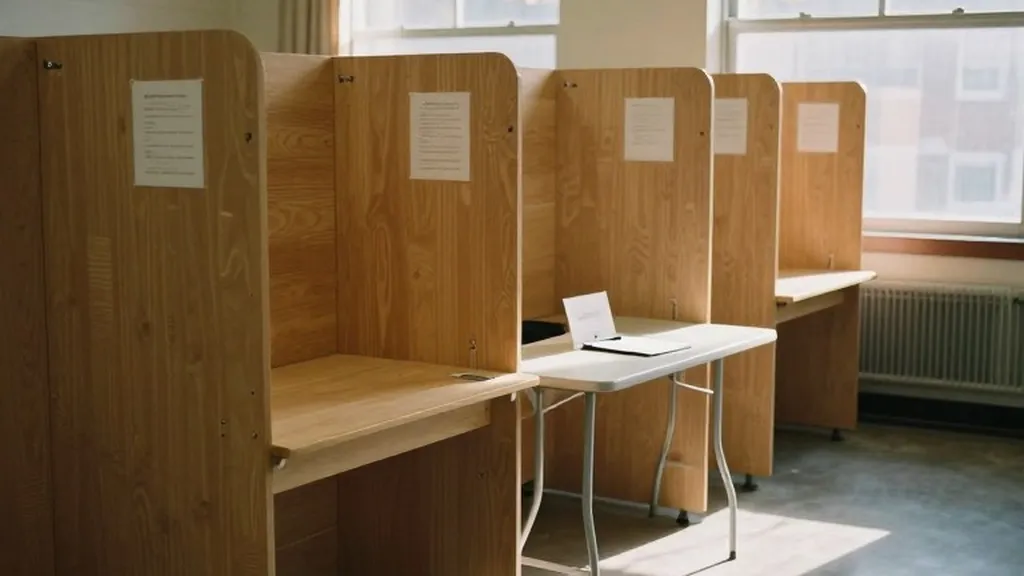
Polls in Suffolk County opened at 7 a.m. On Tuesday, November 3, 2026, with voting continuing until 8 p.m. In Boston, Cambridge, Quincy, Newton, and Somerville. Municipalities may open polling places as early as 5:45 a.m., and voters in line when the polls close are entitled to cast their ballots. Residents in Lynn, which also falls within the county, are participating in the same statewide and federal contests that define this midterm cycle. The day marks the halfway point of President Donald Trump's second term, with the results deciding who controls the U.S. House and Senate for the remainder of his presidency.
Massachusetts voters are choosing between incumbent Democratic U.S. Senator Edward J. Markey and his Republican opponent for the state's Senate seat. For the governor's office, incumbent Democratic Governor Maura Healey is on the ballot against a Republican challenger. Every U.S. House seat in the state is up for election, alongside state senate and state house races. Ballotpedia notes that state and local offices and ballot measures vary by county, meaning Suffolk County voters will also decide on specific local issues that differ from those in other parts of the state.
Nine statewide ballot measures are on the ballot in Massachusetts, covering topics such as public records, labor practices, and land use. Question 1 asks voters to make records held by the state legislature and the governor's office public records. Question 7 requires cities and towns to allow single-family homes on residentially zoned lots that meet minimum standards of at least 5,000 square feet. Question 8 would repeal laws permitting the sale of recreational marijuana and personal cultivation of cannabis. These measures offer local voters a direct voice in state policy independent of the partisan races for federal office.
Nationally, the Associated Press describes the election as a referendum on the president's second term, with voters struggling with high prices and anger over an unpopular war with Iran. AP-NORC polling indicates that 35 percent of U.S. Adults approve of Trump's job performance, while 25 percent approve of his handling of the economy. About seven in ten adults say the country is heading in the wrong direction, with most blaming the president for high prices. More than 57 million people had already voted as of Monday, surpassing the early vote of four years ago in many closely watched states.
The stakes for Congress are high, as the results determine the balance of power for the final two years of the administration. All 435 House seats are up for election, with Democrats holding 214 seats and Republicans holding 218. Democrats need a net gain of three districts to take control of the House, while Republicans can lose no more than two seats. In the Senate, 35 seats are on the ballot, and Democrats need a net gain of four seats for a majority. If Democrats win even one chamber, investigations and possible impeachment proceedings become likely.
House Democratic Leader Hakeem Jeffries has outlined a 100-day agenda focused on the cost of living and oversight if his party gains control of the chamber. He would be the first Black speaker of the House. A strong Democratic night would also boost potential 2028 candidates such as Gavin Newsom, JB Pritzker, and Pete Buttigieg. Conversely, Republicans are trying to beat the traditional midterm pattern where a president's party loses seats, utilizing new redistricting maps in states like Florida and Texas to their advantage.
Economic concerns are central to the national mood, with Wall Street watching for more than just control of Congress. Results could add to investor concerns about AI spending and debt ceiling negotiations. The 2026 elections will likely be the most expensive in history, with Republican committees outraising and outspending Democratic committees at the committee level. However, at the candidate level, Democrats have outraised their opponents. Trump-affiliated groups and Elon Musk have provided significant financial support to Republican efforts.
Voter sentiment in Suffolk County mirrors national trends, with many residents citing the cost of living as their primary concern. James Moore, a 57-year-old librarian in Raleigh, North Carolina, said, "I'm paying more taxes. I'm paying more for my healthcare. I'm paying more for everything." In contrast, Mark Barker of Palm Beach Gardens, Florida, said, "I've just been following Trump the whole time. I really think he's doing an awesome job." These mixed reactions highlight the divided electorate heading into the final hours of voting.
Administrative challenges have marked the election cycle, with a federal judge temporarily barring the Trump administration from carrying out a plan to prevent noncitizen voting on Monday. Critics say the move risks disenfranchising eligible voters and infringes on states' authority over elections. The U.S. Postal Service added hours, staff, and special lines to ensure mail ballots are counted on time. In Alaska, the Trump administration filed a lawsuit related to the certification of the Senate result, adding another layer of legal complexity to the process.
RNC Chairman Joe Gruters stated, "Everything depends on turnout. If we turn out our voters, we win, and that's what we've been planning for." DCCC Chair Rep. Suzan DelBene countered, "The American people are angry. They want change." As polls remain open, the final outcome will determine whether the president retains a unified government or faces increased legislative oversight. The results will also influence the political landscape for the 2028 cycle, with key figures like Vice President JD Vance potentially facing a more complex path if Democrats perform strongly.
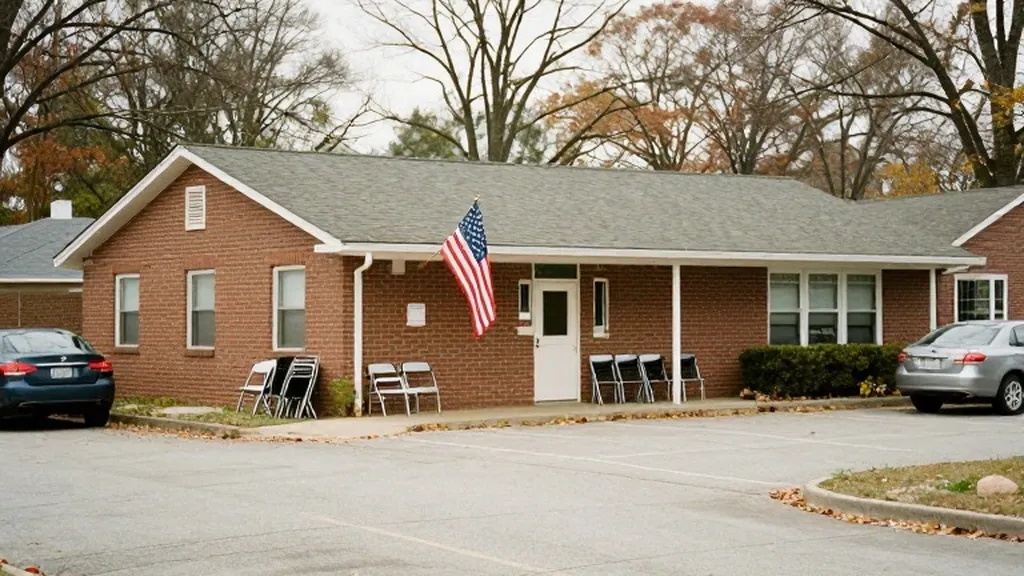
Voters in Suffolk County can find their polling place at vote.gov or their state election office. ID rules vary by state, so voters are advised to check their specific requirements before going to the polls. The election concludes at 8 p.m. In Massachusetts, with early results expected as polls close in the early morning and midday Eastern Time zones. The day serves as a critical checkpoint for the administration and the nation's economic direction.