Republican midterms losses blamed on Iran war and Epstein files handling
SCNG Editorial Board member John Seiler argues that rising fuel costs and stalled legislation on the Epstein files drove voters to reject the GOP.
By Tessa Cooper ·
SCNG Editorial Board member John Seiler identifies two primary factors behind the Republican defeat in the 2026 midterm elections: the ongoing conflict with Iran and the administration's management of the Epstein files. Seiler contends that these issues combined to create a decisive voter backlash against the party in power.
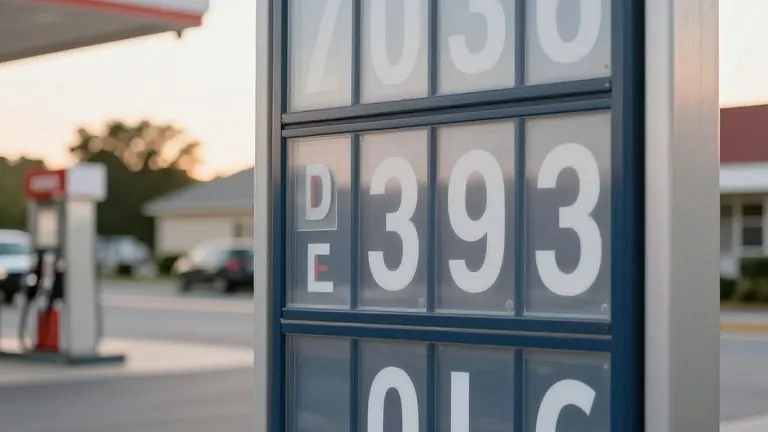
The war with Iran has driven up the cost of essential commodities, a trend Seiler observed during a sunrise walk in Irvine on November 4. At a local Shell station, regular gasoline sold for $5.89 per gallon, while diesel reached $8.39. Seiler notes that these higher prices affect oil, fertilizer, and helium used in computer chips, contributing to the economic pressure felt by voters.
Seiler points to the handling of the Epstein files as the second major driver of voter discontent. In 2024, President Donald Trump promised on the campaign trail to release the documents. By July 16, 2025, he had called the matter a hoax on Truth Social, stating, "I don't want their support anymore!" This reversal left millions of supporters who had demanded transparency feeling ignored until the November 3 election.
Legislative efforts to force a full release of the files stalled in the House of Representatives. Rep. Ro Khanna, D-California, and Rep. Thomas Massie, R-Kentucky, co-authored the Epstein Files Transparency Act. Their first version led to the release of approximately 3.5 million of the estimated 6 million pages. In September, they gathered 218 signatures to force a vote on a second bill, but Speaker Mike Johnson, R-Louisiana, prevented the vote by sending the House home early.
Only four Republicans signed the petition for the second bill: Massie, Rep. Brian Fitzpatrick of Pennsylvania, and Reps. Nancy Mace and Ralph Norman of South Carolina. Massie and Khanna plan to present the petition when the House convenes for its lame-duck session on November 9. Massie, who opposed the Iran war and pushed for the files, lost his primary in May after facing $15.5 million in attack ads from pro-war groups.
Seiler argues that Republican candidates were held accountable for their inaction regarding the war and the files. He notes that while Trump told supporters to "pretend I'm on the ballot" during his final month of campaigning, he later claimed he was not on the ballot after the loss. Seiler emphasizes that voters were responding to the actions of the Republican candidates, who did not stop the Iran war or the delay in releasing the Epstein files.
Democratic leaders pledged to investigate corruption, including allegations that Trump sold pardons. Seiler cites interviews with Reps. Dave Min, Mike Levin, Derek Tran, and Lou Correa, all of whom committed to pursuing justice for Epstein victims. Seiler urges the new Democratic majority to use their control of Congress to cut funding for the Iran war, which he notes lacked a specific authorization for use of military force.
Seiler concludes by urging Democrats to seek justice rather than revenge. He highlights that the war began without formal approval from Congress, unlike the 2002 resolution for Iraq. He believes the new congressional leadership must end the conflict and bring U.S. troops home to their families.