Alaska's Senate Race Tests Ranked-Choice Voting
Two candidates with the same surname and a federal lawsuit threaten to complicate the November 3 election in the only state to use the system statewide.
By Tessa Cooper ·
Midterm elections arrive on November 3, and the race for the U.S. Senate seat in Alaska has become a live experiment in ranked-choice voting. The system is currently used by only two states, Alaska and Maine, though major cities like New York and San Francisco have adopted it locally. This year, the method faces a specific challenge: two candidates on the ballot share the name Dan Sullivan.
The path to this contest began in 2020, when Alaskan voters approved the system via a ballot initiative. The state uses open primaries where all candidates compete, and the top four advance to the general election. Maine adopted the method earlier, in 2016, and used it in congressional elections starting in 2018. The goal was to allow voters to rank candidates in order of preference rather than choosing a single option.
In this election, the ballot features incumbent Senator Dan S Sullivan, a registered Republican, and challenger Daniel J Sullivan Jr, a retired teacher with no party identification. The inclusion of the teacher has sparked a dispute over whether he serves as a genuine candidate or a strategic addition to the field. A New York Times report suggested he may have been recruited by Democrats to act as a spoiler. Sullivan Jr has maintained that his run is authentic, and the Alaska Supreme Court allowed both men to remain on the ballot in June.
The controversy has drawn national attention, with President Donald Trump suing Alaska to block the certification of results if the incumbent loses. The legal argument centers on the potential for voter confusion over the two candidates' identical surnames. Alaska officials and Democrats are challenging the case, noting that the U.S. Constitution assigns election administration to the states. The lawsuit raises questions about federal involvement in state vote counts.
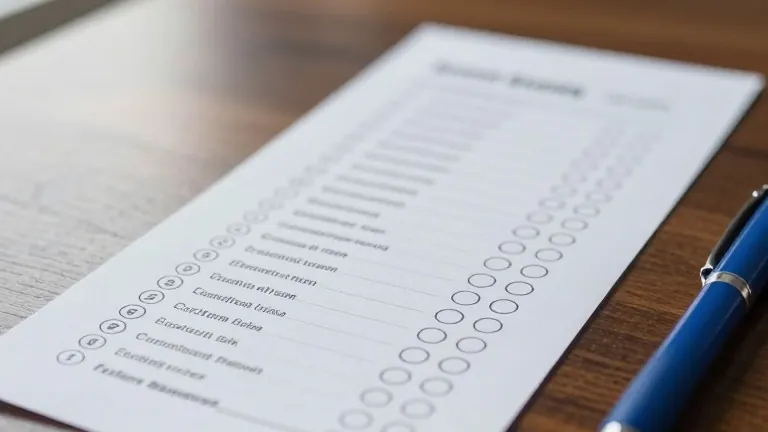
Ranked-choice voting works by allowing ballots to transfer if a voter's first choice is eliminated. If no candidate receives more than 50 percent of first-choice votes, the candidate with the fewest votes is removed from the count. Those ballots are then redistributed to the voters' next ranked choices. This process repeats until one candidate holds a majority of the remaining votes. If a voter ranks only one candidate and that person is eliminated, the ballot stops counting.
Proponents argue the system reduces the pressure to vote pragmatically and mitigates the spoiler effect. They say it encourages diverse viewpoints and allows candidates to work together. Critics counter that the method complicates the voting and counting processes. A 2025 study in the journal Political Behavior found that 4.8 percent of ranked-choice ballots are improperly marked, though not all of those are invalidated. Critics also worry that the successive rounds of counting could slow the release of results.
State officials have taken steps to distinguish the two Sullivans on the ballot. The incumbent is listed with his party affiliation and status, while the challenger is listed without party identification. The system differs from a traditional runoff, which requires voters to return to the polls. Instead, ranked-choice voting determines a winner through a single election using successive rounds of counting.
Other jurisdictions have moved to expand or restrict the practice. Washington, D.C., began using ranked-choice voting for federal and local elections in 2026. Virginia approved legislation earlier this year to widen its use. Hawaii applies the method in certain special elections. Conversely, the National Conference of State Legislatures estimates that 19 states have laws prohibiting or restricting the system.