Pain Management: Beyond Pills and Rest
Clinicians in Massachusetts advise patients to identify root causes of chronic pain through movement, sleep hygiene, and targeted physical therapy.
By Zoe Harrison ·
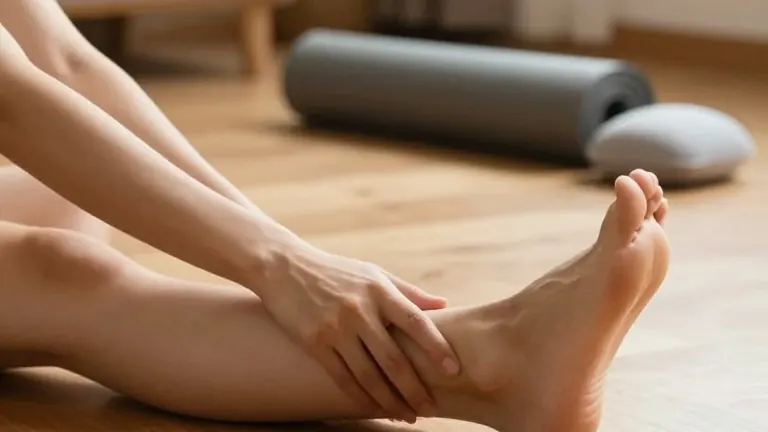
For many residents of Suffolk County living with chronic pain, daily life often feels reduced to a binary choice: endure the discomfort or rely on strong medication. However, a group of local health experts argues that a middle path exists. By identifying the specific source of pain, individuals can utilize non-pharmacological methods to improve sleep, mobility, and overall function.
Dr. Rhea Rogers, a board-certified physician, emphasizes that treatment must address the underlying cause. She notes that pain can stem from damaged muscles, injured tissue, nerve issues, or an overly sensitive nervous system. "Your treatment is going to depend on why you have the pain," Rogers said. This diagnostic approach allows for tailored interventions rather than a one-size-fits-all prescription.
The push for better pain management strategies has gained traction as more specialists focus on the interplay between physical activity and recovery. Aging well coach Katherine Ambrose points out that deconditioning frequently contributes to pain cycles. When the body is not moving, muscles weaken, leading to a cascade of physical issues. "Sometimes it’s just deconditioning, like we haven’t been working out like we should, and then we become weaker, then it is kind of a cascade of things," Ambrose said. She advises that patients should not simply accept pain as an inevitable part of aging.
Recent conversations among local clinicians have centered on practical adjustments. Amy O’Rourke, an aging expert, shared that a chiropractor advised her to stop wearing high heels and use an ergonomic cushion at work to alleviate chronic back pain. She also consulted a physiatrist for a hip issue, where she learned to sleep on her side with a pillow between her legs. "And I don’t have pain anymore," O’Rourke said. Similarly, gerontologist Sam Cradduck credited a simple adjustment, such as pushing her car seat up, with helping her avoid surgery after a lower back injury in her 20s.
Experts agree that sleep is a critical but often overlooked component of pain recovery. Rogers notes that while pain can disrupt sleep, achieving quality rest can help manage pain levels. "I know that pain a lot of times interferes with sleep. But if you get really good sleep, then it can actually help your pain, if you can get to that point," Rogers said. Other tools recommended by the group include acupuncture, dry needling, cognitive behavior therapy, and massage. Cradduck also mentioned transcutaneous electrical nerve stimulation units, which she describes as machines that increase blood flow and help loosen muscles.
The medical community is also urging patients to reconsider their fear of medication. Cradduck has observed 95-year-olds declining prescribed drugs due to fears of addiction, even after hip replacements. She suggests that the goal is not total pain elimination, but rather a level of comfort that allows for a normal life. "How much pain can I have and still live a normal life and not have it interfere with my life?" Cradduck asked. "It’s when pain interferes with your daily living that you have to really be concerned."
Looking ahead, these specialists recommend that patients consult with providers to create a comprehensive plan. This may include physical therapy to strengthen muscles around an injury, as suggested by O’Rourke, or specific movement routines to combat stiffness. Rogers notes that movement increases blood flow, making daily activities easier. The consensus is that proactive management, rather than passive endurance, offers the best path to reclaiming daily life.