New pipelines for datacenters face weakened federal safety rules
A review of federal records identifies nearly 200 proposed projects totaling 17,000 miles that will transport more natural gas to power AI infrastructure.
By Tessa Cooper ·
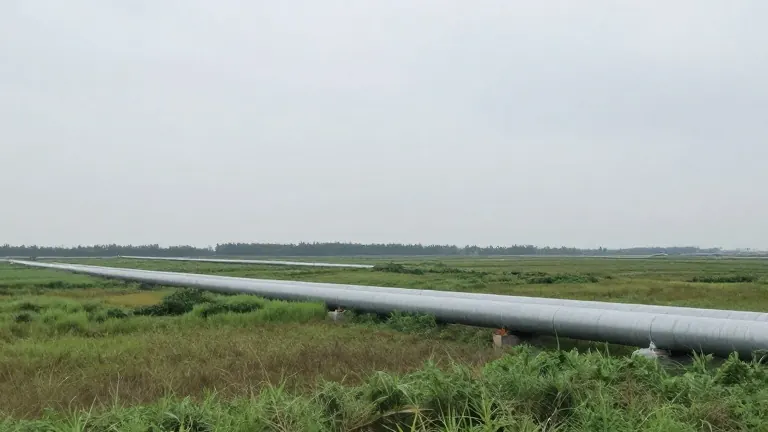
Residents across 42 states may soon face a denser network of natural gas pipelines built to support the energy needs of artificial intelligence datacenters. A new review of federal records identifies almost 200 pipeline projects that are either proposed or under construction. These lines would collectively span 17,000 miles, adding substantial new infrastructure to the national grid.
The Environmental Integrity Project compiled the findings, which show that the boom in pipeline construction coincides with a reduction in federal oversight. The administration has targeted laws that protect the environment and human health. It has also pledged not to enforce existing regulations around pipeline risks. This shift occurs while the US already records approximately 1.7 pipeline accidents, spills, fires, or explosions per day.
The new lines are designed to supply at least 98 gas-fired power plants proposed to serve datacenters. They also aim to meet demand for natural gas exports driven by conflicts in Ukraine and Iran. If all the proposed lines are completed, they would transport about 40% more natural gas daily than the current system carries. Most of the pipelines would carry natural gas across the country, with many concentrated in fossil fuel-producing regions. Texas is home to or crossed by about 42 projects, Louisiana has 27, and Pennsylvania and Illinois each have nine.
Alexandra Shaykevich, research manager with the Environmental Integrity Project, noted the timing of the expansion. “This is the largest boom in a couple decades … and it coincides with all this deregulation,” she said. She added that while pipelines usually operate safely, they can leak and explode, posing big risks for communities across the United States.
The report states that over 25% of the projects have requested an expedited environmental review. The administration is using mechanisms such as invoking an “energy emergency” to accelerate permit approvals and reduce the scope of environmental studies. This process has limited public and community input. The administration has also used the Defense Production Act to push projects over state objections.
In March, the administration jump-started the Santa Ynez oil pipeline in Santa Barbara, California. The state had shut down the line in 2015 after a major spill harmed about 150 miles of coastline. The act is also being used to advance the 125-mile Constitution pipeline from Pennsylvania to upstate New York, a project that New York has opposed.
In January, the administration issued a memo stating it would refrain from taking enforcement action against companies that violated Pipeline and Hazardous Materials Safety Administration regulations. By 2025, the average number of enforcement actions initiated had been cut in half, totaling only 117. The report alleges that companies are now allowed to increase pipeline pressure in densely populated areas and conduct fewer pressure tests.
The expansion threatens federally protected wetlands. At least 81 of the projects are expected to damage more than 19,000 acres of such lands. This development comes as the administration attempts to strip 94% of federal wetland protections. James Hiatt, executive director of For a Better Bayou, pointed to the concentration of pipelines in south-west Louisiana, where export terminals along the Mississippi River cut through sensitive wetlands and fishing grounds. “The people who live here carry the risks and bear the burden while the profits go elsewhere,” Hiatt said.
More Business · Consumer Alerts · Report a business · Got a Story?