
Cypress-Fairbanks ISD faces $80 million deficit after voters reject all bond measures
Nearly 200,000 ballots were cast in the election, resulting in the defeat of five funding propositions that included an operating tax increase and $1.64 billion in capital projects.
By Harvey Wilson ·
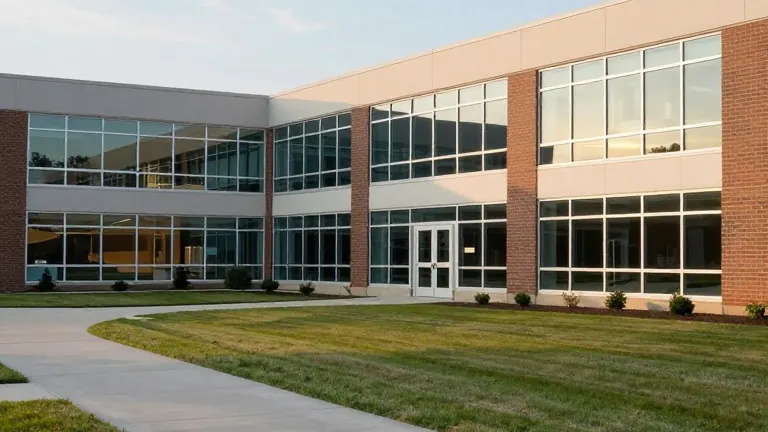
Cypress-Fairbanks Independent School District leadership is reassessing its financial strategy after voters in Harris County rejected all five funding propositions on the November 2026 ballot. The district, located in Cypress, Texas, had sought additional revenue to cover an estimated $80 million operational deficit and fund long-term infrastructure improvements.
Approximately 200,000 ballots were cast in the election. Each of the five measures was defeated by wide margins. The rejected packages included one operating tax increase, known as Proposition A, and four capital bond propositions, labeled B through E, which totaled $1.64 billion in long-term debt. The capital funds were designated for new school buses, student technology, campus safety upgrades, roof repairs, and improvements to athletic and aquatic facilities.
Superintendent Dr. Doug Killian stated that the failure of Proposition A accelerates the district's timeline for budget adjustments. The tax rate election was intended to provide breathing room for a gradual, multi-year downsizing plan. Without the additional revenue, the pressure to reduce spending quickly has increased. Killian identified aging infrastructure as an immediate concern, noting that about 10 campuses experienced major heating, ventilation, and air conditioning failures within the first two months of the school year. These failures forced the district to send students home or temporarily close facilities.
Killian suggested the district may eventually return to voters with a smaller, stripped-down bond proposal focused strictly on emergency roof and HVAC repairs. He acknowledged that taxpayers expressed concerns about overall affordability. Under Texas law, bond propositions must include the prominent printed warning that the measure is a property tax increase. Rice University political science professor Mark Jones observed that the election took place during a period of high household expenses and rising property valuations. Jones noted that voters were generally resistant to paying higher property taxes during a time of economic concern.
District administrators had anticipated the possibility of rejection and built the current budget around that scenario. The district is using its fund balance to maintain day-to-day operations. Killian stated that while reserves provide short-term stability, significant adjustments are inevitable. He did not rule out staff reductions, program cancellations, or school closures to address the shortfall.
"Now, there are going to be things we're going to talk about that are going to, you know, they're going to concern people. There's going to be suggestions to do various closures, various program changes, that kind of stuff," Killian said. "But ultimately, all that stuff is going to be done transparently in front of people. People will be able to have feedback."
The district plans to present new budget models and timelines to the school board during open work sessions. Leadership aims to hold at least two public meetings before the winter break so trustees and administrators can finalize updated fiscal plans heading into January. The district will also provide avenues for remote and online community input for residents unable to attend public sessions in person.