Bipartisan Push: Nine Bills Aim to Limit Flock Safety Camera Network
Lawmakers from both parties are moving to impose federal rules on automated license plate readers after a year-long investigation and a recent federal court ruling.
By Zoe Harrison ·
Rep. Greg Steube, a Florida Republican, filed a new bill on November 9 to restrict federal access to automated license plate reader systems. His proposal, the FLAFO Act, would generally bar federal agencies from buying or operating networked camera systems unless a judge issues a warrant. Exceptions would apply to defense agencies, emergencies involving terrorism, and missing-person cases. The bill would also link Justice Department funding for state and local agencies to similar usage rules.
Steube sits on the House Permanent Select Committee on Intelligence and joined a growing group of legislators seeking to end what he described as a patchwork of local rules. He stated that the technology is one of the few issues where he agrees with Sen. Bernie Sanders. The push for federal action follows a year-long investigation by InvestigateTV into Flock Safety, the largest provider of license plate reader technology to law enforcement. That inquiry highlighted how the company’s nationwide data-sharing network allows small departments to search data from thousands of cameras across the country.
A September Senate hearing further accelerated legislative momentum. Two individuals interviewed by InvestigateTV testified at that session. Since then, lawmakers from both parties have introduced or promised at least nine proposals to limit or ban mass surveillance technologies. These bills vary in their approach, ranging from warrant requirements to outright prohibitions on federal use.
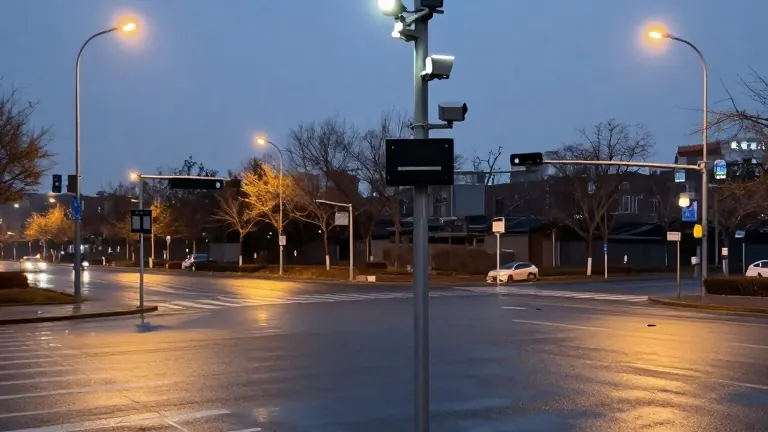
Flock Safety operates more than 120,000 cameras across 49 states, with more than 6,000 agencies connected to its network. While the company argues that this connectivity helps solve serious crimes and locate missing people, critics point to instances of officers using the system for personal or retaliatory searches. A federal judge in Oklahoma recently ruled that an officer’s warrantless use of the technology violated the Fourth Amendment. The judge called the system a large-scale, dragnet-type surveillance method that allows law enforcement to catalog whereabouts without probable cause.
Other pending legislation includes the Protection Against Mass Surveillance Act, introduced by Rep. Tim Burchett of Tennessee, which would bar federal agencies from buying or operating automated surveillance systems. Rep. Thomas Massie of Kentucky introduced the Flock-Off Act to cut off federal funds for these systems. Rep. Alexandria Ocasio-Cortez of New York introduced the Ban Flock Act, which would prohibit federal use unless Congress passes a specific authorization law that limits data retention to 48 hours.
Sen. Ron Wyden of Oregon, a Democrat, urged local communities to scrutinize their use of the cameras. He sent a letter to Flock more than a year ago demanding answers about privacy and security. Wyden noted that the company stonewalled initial inquiries, which deepened his concern. He stated that people across the country are tired of having their privacy rights compromised and that local officials should have the final say on whether to deploy the technology.
Flock Safety responded to the legislative efforts by saying its technology is an important public safety tool. A company spokesperson said it supports thoughtful, bipartisan legislation that establishes strong privacy and accountability guardrails while preserving law enforcement’s ability to use the technology responsibly. The company maintains that its placement of cameras in public places and its default data retention period of seven days protect civil liberties.