Ukraine, Russia, and U.S. Begin Peace Talks in Abu Dhabi
Two-day negotiations focus on security guarantees as delegations aim to resolve disputes before winter deepens.
By Ricardo Alvarez ·
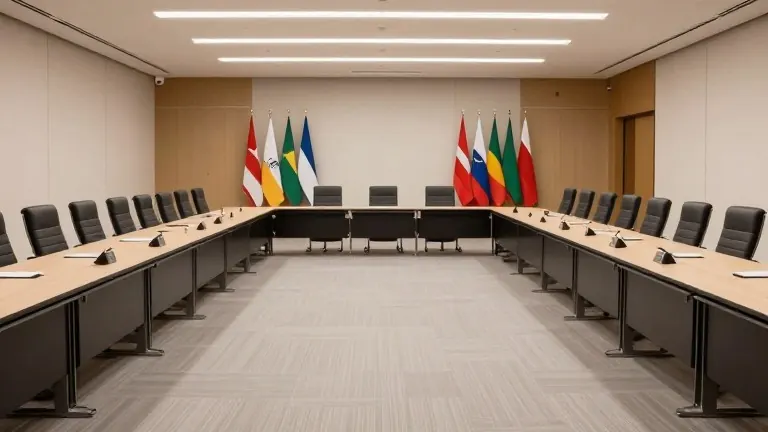
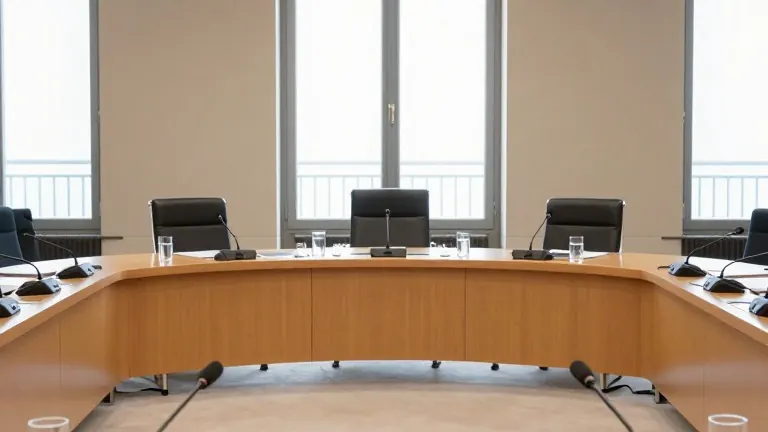
Three-way peace negotiations between Russia, Ukraine, and the United States began Tuesday in Abu Dhabi, marking the first direct meeting since February. The two-day session in the capital of the United Arab Emirates aims to establish security guarantees for a prospective end to the conflict, which is approaching its fifth anniversary.
Jared Kushner, son-in-law of U.S. President Donald Trump, stated on social media that he and fellow envoy Steve Witkoff are working toward a negotiated solution. The goal, Kushner said, is to create conditions for a sovereign and prosperous Ukraine within a more stable European security environment.
The delegations are led by experienced officials who have participated in previous rounds of diplomacy. Vladimir Medinsky heads the Russian team, continuing his role from the initial talks in Istanbul in 2022. Rustem Umerov, head of Ukraine’s Foreign Intelligence Service, leads the Ukrainian delegation. Both sides have brought senior military and political figures to the table to address the stalled negotiations.
Despite the renewed dialogue, the two nations remain divided on core issues. President Vladimir Putin demands that Ukraine withdraw troops from the four regions Moscow annexed in 2022 and abandon its bid to join NATO. He also seeks strict limits on Ukraine's military size and the removal of restrictions on the Russian language. Conversely, President Volodymyr Zelenskyy rejects voluntary territorial cessions and military caps, viewing an immediate ceasefire as the necessary first step toward a wider settlement.
The United States is positioning these talks as part of a larger European security framework. Kushner indicated that the Abu Dhabi discussions will prepare the ground for direct engagement between Russia and European partners. Before the three-way session, Kushner and Witkoff met separately with envoys from the European Union, NATO, and key European nations to coordinate their positions on the postwar order.
Russian Foreign Minister Sergey Lavrov welcomed the U.S. push to place collective security on the agenda. However, some European officials view the American approach as too accommodating to Moscow. While Moscow initially objected to European involvement in the three-way talks, it agreed to allow EU representatives to join at a later stage.
The diplomatic efforts proceed while the military situation intensifies. Both sides have increased long-range strikes with drones and missiles along the 1,200-kilometer front line. Russia has targeted Ukraine's power grid in preparation for winter, while Ukraine has focused its drone attacks on Russian oil refineries.