Trump and Vance to Meet Qatari Mediator as Iran War Diplomatic Push Intensifies
Sheik Mohammed bin Abdulrahman Al-Thani arrives in Washington Monday to discuss Tehran's truce proposal, which US officials continue to call unrealistic despite renewed military strikes.
By Harvey Wilson ·
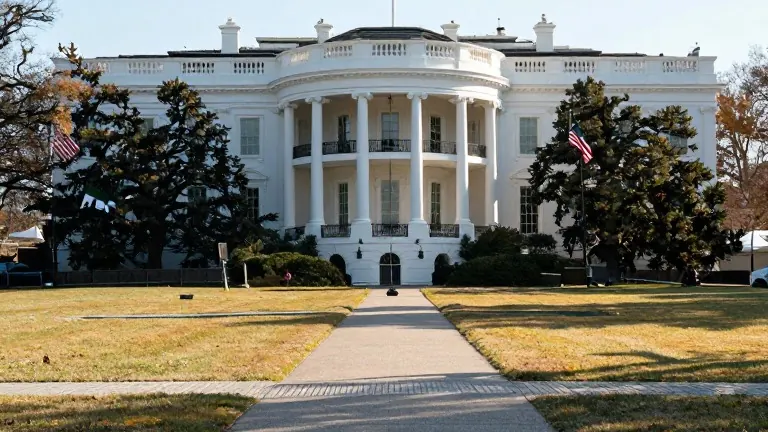
President Donald Trump and Vice President JD Vance will meet with Sheik Mohammed bin Abdulrahman Al-Thani, the prime minister and foreign minister of Qatar, in Washington on Monday. The meeting comes as diplomatic efforts to end the conflict with Iran accelerate following the midterm elections held last week. Al-Thani will visit the White House after a trip to Tehran last week, where he engaged with Iranian leadership.
Qatar has served as a primary mediator in the conflict since its inception, shuttling messages between Washington and Tehran. The Iranian proposal on the table calls for the United States to end its naval blockade of Iranian ports and lift certain sanctions. In exchange, Tehran would cease its blockade of the Strait of Hormuz. Negotiations regarding Iran's nuclear program and additional sanctions would follow this initial phase.
The United States has repeatedly rejected this framework. Secretary of State Marco Rubio described Tehran's conditions on Sunday as outrageous and not realistic. He stated that a diplomatic breakthrough did not appear imminent. Esmaeil Baghaei, the spokesperson for Iran's Foreign Ministry, defended the proposal on Monday, labeling it the most reasonable offer currently available for ending the war.
Trump launched the conflict alongside Israel on February 28. More than eight months later, he has downplayed the likelihood of major warfare restarting immediately. However, he remains unwilling to accept the existing Iranian truce plan. Senior US Republicans, including Vance, have cited the war as a factor in their party's election losses. Despite this domestic pressure, Rubio maintained that a swift resolution is unlikely.
Anwar Gargash, a senior official in the United Arab Emirates, echoed Rubio's skepticism on Monday. He warned that a comprehensive political settlement between the US and Iran would be difficult to achieve. Gargash stated that regional actors should prepare for a long period of uncertainty where neither a decisive resolution nor a stable regional order could be taken for granted.
Military exchanges continued during the weekend. Iranian state media reported that the United States struck Qeshm island overnight. A provincial official told Fars news agency that the strikes did not impact vital infrastructure or services. The US had not commented on these reports as of Monday. A senior Iranian source indicated that US strikes targeted radar systems used for air defense and ship navigation, along with bases for missile launchers and mine-laying systems.
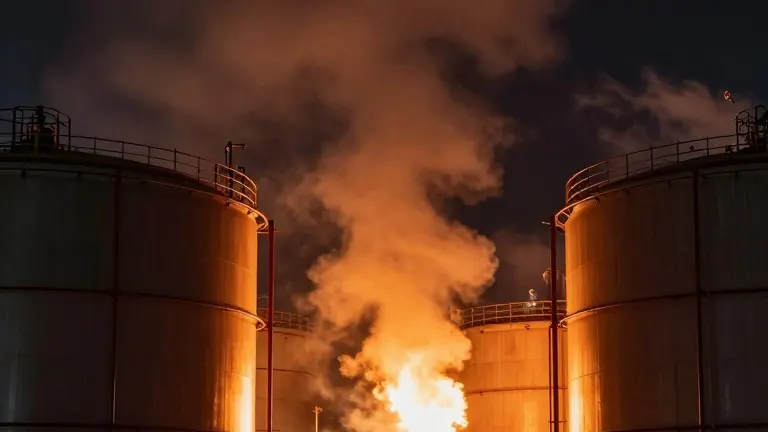
Attacks on commercial tankers in the Gulf and the Strait of Hormuz have increased sharply since October. International maritime agencies reported last week that the rate of attacks is the highest since the war began. Iran announced on Sunday that a tanker had hit a mine east of the strait. A state television reporter said on Monday that 11 tankers had been disabled over the preceding 10 days.
The conflict has triggered a global energy shortage and reignited Yemen's civil war. Yemen's Iran-allied Houthi group announced on Sunday that it struck an office building belonging to Saudi state oil company Aramco in Riyadh. The attack damaged windows across several floors in the city's financial district. The Saudi Energy Ministry acknowledged damage from an attempted attack on the building without assigning responsibility.
Turkish President Tayyip Erdogan said on Monday that he had told Trump that Ankara did not want to see a new escalation. Erdogan emphasized the possibility of resolving issues through dialog and diplomacy. He noted that Turkey is doing its utmost to prevent a negative shift in the region. Vance, who led negotiations for a short-lived truce in June, will also meet with Al-Thani during the Monday sessions in Washington.