Ontario Real Estate Regulators Issue AI Photo Rules After Fake Pools Deceive Buyers
RECO mandates clear labeling for digital alterations as agents grapple with the gap between virtual staging and deceptive marketing.
By Ricardo Alvarez ·
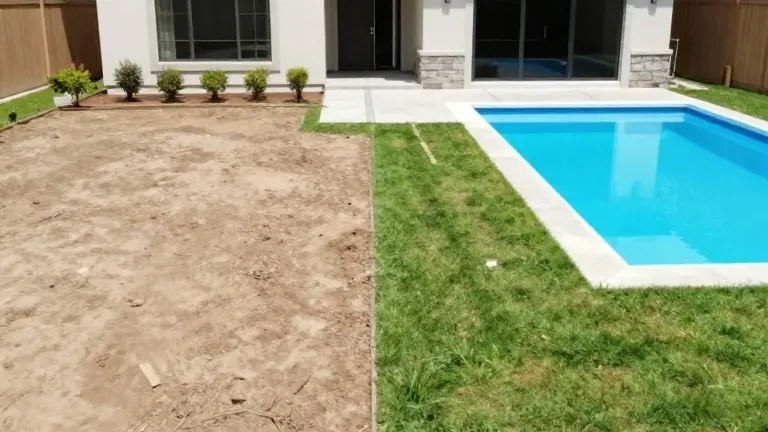
The Real Estate Council of Ontario issued new guidance last month requiring agents to label digitally altered images in property listings. The rules address growing concerns that artificial intelligence is being used to create features that do not exist, such as swimming pools and renovated structures, thereby misleading buyers.
Real estate professionals have manipulated photos for decades using software like Photoshop to stage empty rooms or remove clutter. Dan Wojcik, lead of the Dan and Alex Real Estate Team, noted that this process was previously slow and expensive. He stated that virtual staging cost approximately $40 per photo, making the total cost $120 for a set of three images. His team began using subscription-based AI tools during the pandemic, paying about $300 annually to remove personal items and visualize furniture placements without physical staging.
Recent advancements in generative AI have allowed for faster and more complex modifications. Wojcik observed that agents can now replace skies or modernize exteriors in minutes, a task that previously required re-shoots and higher costs. While many buyers accept these changes as helpful visual aids, Wojcik warned that the technology has reached a point where it can cross into deception. He cited a rural property listed for more than $5 million this fall, which featured photos of state-of-the-art barns and a landing strip that were actually a disrepair barn and a gravel path.
The issue of misleading visuals has affected Wojcik directly. In late October, he showed a $2.1 million property to a client and was surprised to find no swimming pool on the patio, despite the listing photos clearly showing one. He reported that the listing did not indicate the pool was a future possibility, leading him to believe it was a permanent feature. He described the discovery as embarrassing and noted that the listing was promoting a spot for a future pool rather than an existing one.
Ontario Real Estate Association acting CEO Diane J. Brisebois stated in an email to members that the new guidance aims to ensure consumer protection and transparency. She emphasized that while technology helps modernize work, it must be used responsibly. RECO specified that AI-generated content must comply with legal advertising obligations, including the mandatory placement of brokerage identification. The organization warned agents to independently verify all content and avoid entering confidential client data into public AI platforms.
RECO directed registrants to treat AI as a support tool rather than a replacement for professional judgment. Agents are responsible for ensuring that all information provided to the public is truthful and accurate. The council also noted that AI can be used for creating contracts and cost comparables, requiring strict attention to content errors and outdated market information.
More Business · Consumer Alerts · Report a business · Got a Story?