
Gray returns to Queens for new drama
Miles Teller and Scarlett Johansson star in a film about a family torn apart by a bad business deal.
By Ricardo Alvarez ·
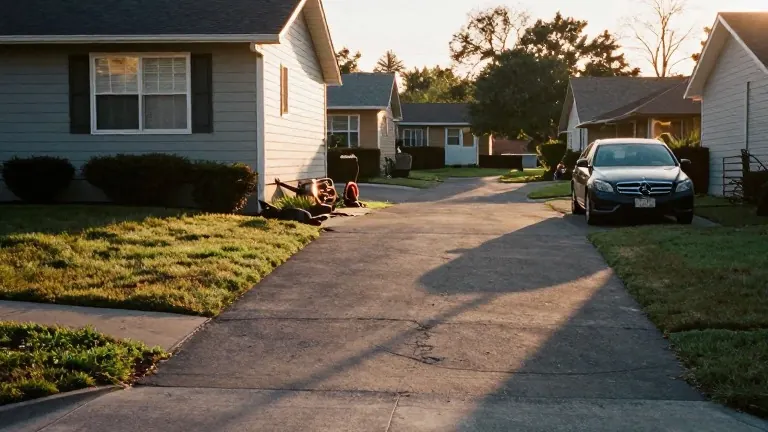
The story begins on Labor Day in 1986. It is early morning in Queens, and the sound of power tools wakes the Pearl family. Scott is about to turn eighteen. His brother Ben is five years younger. It is the last day of their summer vacation.
The family drives to Great Neck, Long Island. They visit Hester’s mother, Iris. The visit is meant to be pleasant. Instead, it sets the stage for conflict. Iris wants her family to move to the affluent suburb. Hester says no. She says college tuition for the boys comes first. Irwin scoffs at the idea. He says everyone in Great Neck was born with a silver spoon in their mouth, or stole one.
That night, Irwin’s brother Gary arrives at the house. Gary is a former high-ranking cop who now works as a security consultant. He drives a Mercedes and wears sharp suits. He brings takeout from the Peter Luger steak house. He proposes a partnership. He wants Irwin, an environmental engineer, to co-consult on a cleanup project at the Gowanus Canal in Brooklyn. The project is federally funded. Gary claims the owners are Russian scientists and engineers.
The clients do not look like scientists. They have a rough manner and a crude appearance. Irwin visits the site with his sons. He realizes he is dealing with ruthless gangsters. The gangsters beat Irwin and threaten the family. Gary goes into heavy debt to the syndicate to protect them. He tells Irwin, “I’m N.Y.P.D. They’re not gonna touch me.” Irwin replies, “But they can touch me.”
The pressure of the debt and the threat of violence widens the divide between Irwin and Hester. The family begins to fall apart. Gary conceived the film as a sequel to his 2022 movie “Armageddon Time.” He changed his plans when the original actors were unavailable. The two films share a setting and a family structure. In “Armageddon Time,” the father is a contractor named Irving. The mother is a teacher named Esther.
In “Paper Tiger,” Hester is different from Esther. She sleeps with rollers in her hair and speaks in a thick Queens accent. She holds the family together with her iron will. She looks up to Irwin for his facts and figures. The film focuses on the silence between them. It contrasts with the talkative nature of Gray’s previous work. The dialogue in “Paper Tiger” is built from memories of the neighborhood.
Gray wrote the screenplay himself. He is known for his probing visual style. The film uses shadows and reflections to show what the family hides. The tragedy finds its voice in Hester’s reproachful silences. These silences act as a rejection of the world she inhabits. By the end of September, Hester is on her own timetable. She is detached from the family’s cares.